Westminster Council moving van permits for Pimlico: what you need to know before move day
If you are planning a move in Pimlico, the permit question tends to land right in the middle of everything else: keys, boxes, parking, lifts, neighbours, and the quiet panic of "where will the van actually go?" Westminster Council moving van permits for Pimlico can be the difference between a smooth loading day and a frustrating last-minute scramble. In a part of London where kerb space is tight and roads are often busy, getting the parking side right is not a small detail. It is one of the foundations of the move.
This guide walks you through the practical side of permits, why they matter, how the process usually works, and what to check before you book a removal van. You will also find common mistakes, best-practice tips, and a simple checklist you can use the day before your move. If you want a move that feels calm rather than chaotic, this is the stuff worth knowing.
Table of Contents
- Why Westminster Council moving van permits for Pimlico matters
- How Westminster Council moving van permits for Pimlico works
- Key benefits and practical advantages
- Who this is for and when it makes sense
- Step-by-step guidance
- Expert tips for better results
- Common mistakes to avoid
- Tools, resources and recommendations
- Law, compliance, standards, and best practice
- Options, methods, or comparison table
- Case study or real-world example
- Practical checklist
- Conclusion
- Frequently Asked Questions
Why Westminster Council moving van permits for Pimlico matters
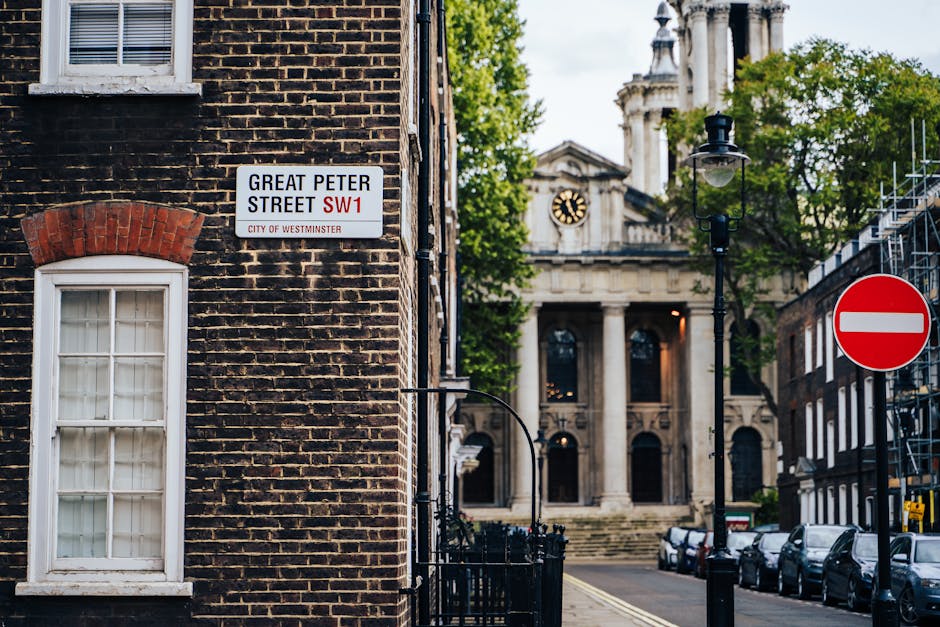
Pimlico is the sort of place where a moving van can feel awkward before it has even parked. Streets are narrow, bays are limited, and one badly positioned vehicle can cause delays for everyone else. A permit, or the correct parking arrangement, helps make sure the van can stop close enough to your property for loading and unloading without creating avoidable disruption.
That matters for a few reasons. First, it reduces the risk of fines or enforcement action. Second, it makes the move faster, which is worth a lot when you are carrying furniture up stairs or waiting on a lift with a busy concierge. Third, it gives your removal team a clear plan rather than a hopeful guess. And let's face it, hope is not a parking strategy.
In practical terms, a permit can also help protect your timetable. If the van has to park far away, everything takes longer. Boxes get carried farther, fragile items spend more time in the open, and people get tired sooner. A 20-minute delay is not just 20 minutes; in a move, it can throw the whole rhythm off. You notice that especially in the morning when the street is already moving and deliveries are arriving.
For residents, landlords, tenants, students, and office teams moving in or out of Pimlico, the permit issue is rarely optional to think about. Even if the move itself is small, the parking side may still need proper planning. That is where a local, experienced removal team can save you some grief.
If you are arranging a full household move, it can also help to look at home moves and house removals support early, because the parking plan and the moving plan should really be built together.
How Westminster Council moving van permits for Pimlico works
The basic idea is straightforward: if a moving van needs to stop in a place where parking restrictions apply, you may need permission or a parking suspension arranged through the relevant local authority process. In Westminster, that usually means checking the exact street, the timing, the type of bay or restriction, and whether the vehicle size changes what is possible.
The tricky part is that there is no one-size-fits-all setup. A van might be fine in one Pimlico street and problematic in the next. Some locations have resident bays, some have pay-and-display areas, some have loading restrictions, and some have very little room at all. The same move can look simple on paper and become fiddly once you look at the actual kerb space.
In many cases, the process involves identifying the address, the date, the time window, and the kind of vehicle being used. You may also need to plan around school run traffic, bin collection, local deliveries, or building access rules. If your building has a tight entrance or a shared courtyard, the parking question becomes even more important.
There is also a difference between a short loading stop and a proper parking arrangement for a larger moving vehicle. People often assume a small van can just "nip in and out". Sometimes it can. Sometimes it really cannot. The sensible move is to treat the permit question as part of your move planning, not an afterthought.
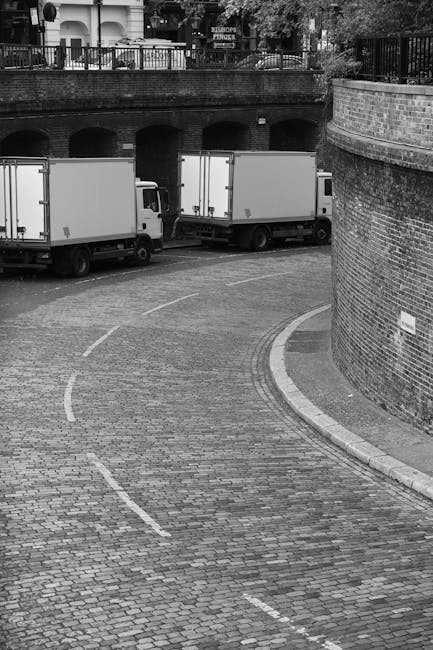
If you are comparing vehicle options, pages like man and van, man with a van, and removal van can be useful because the size of the vehicle affects how easy parking is likely to be. A larger truck may need more careful planning than a compact van, plain and simple.
Key benefits and practical advantages
The obvious benefit is compliance. You avoid turning move day into a debate with a civil enforcement officer or, worse, paying for a problem that was preventable. But there are other advantages too.
- Faster loading and unloading - closer parking means fewer trips and less carrying distance.
- Lower stress - everyone knows where the van is going and how long it can stay there.
- Better timing - you can plan lifts, keys, cleaners, and handovers around a stable schedule.
- Less physical strain - which matters more than people think, especially with heavy boxes and awkward furniture.
- Cleaner coordination with neighbours and building staff - useful in apartment blocks and managed properties.
There is also a quiet but real quality-of-service benefit. A move where the parking is sorted feels more professional. The team can focus on careful handling, not improvising around a van parked three streets away. If you have ever watched someone try to carry a mattress around a corner while apologising to a cyclist, you will know exactly what I mean.
For larger or more complex moves, a permit can sit alongside other services such as removal services, removals, or even office removals if you are relocating a workplace in Pimlico. The parking plan should match the scale of the move, not the other way round.
Who this is for and when it makes sense
Permit planning is not only for huge house moves. It can be relevant any time a van needs to stop on a restricted street or in a busy residential zone. In Pimlico, that covers a lot of ordinary moving situations.
- Tenants moving into or out of flats
- Homeowners shifting furniture or appliances
- Students with a smaller but time-sensitive move
- Office teams relocating equipment or archive boxes
- Landlords arranging end-of-tenancy clearance
- People booking same-day or short-notice moves
If your move is mostly boxes and a few suitcases, you may only need a small van and a short stop. If you have wardrobes, sofas, white goods, or a piano, the parking setup becomes much more important. A piano, for instance, is the sort of item that makes everyone become suddenly serious. Fair enough too.
For flat-based moves, the issue often sits with access as much as parking. A shared stairwell, lift booking, or tight entrance can slow things down quickly. That is why flat removals and student removals often benefit from a very clear parking plan, even when the load looks modest.
If you are clearing out furniture rather than moving a whole home, consider whether furniture removals or furniture pick up is the more sensible fit. The same permit logic may still apply, but the vehicle choice and duration may be different.
Step-by-step guidance
Here is the practical route most people should follow. It keeps things simple and cuts down on surprises.
- Confirm your move date and time window. Be realistic. If you need the van at 8 a.m., do not plan as if 10 a.m. will do. Moves have a habit of filling the time available.
- Check the exact address and street conditions. One side of a road may have different restrictions from the other. The small print matters here.
- Decide what type of vehicle you actually need. A compact van, a larger removal van, or a truck will each create different parking challenges. Choose based on load size, not wishful thinking.
- Ask whether a permit or suspension is needed. This depends on the street, bay type, and local restrictions. Do not assume loading is automatically allowed.
- Build in building access details. Lift booking, concierge approval, service entrance use, and key collection can all affect the timing.
- Prepare a loading plan. Put the heaviest items closest to the exit. It sounds obvious. Yet people still end up carrying a book box around a broken lamp and a chair that refuses to fit through the hall.
- Confirm the final arrangements in writing. Keep a note of who is responsible for what, especially if you are using a removal company.
A useful habit is to treat the permit as part of the inventory. If you are already listing boxes, furniture, fragile items, and appliances, add parking details to that same document. It saves the "oh, we forgot the van" moment later.
If you need help with packing before the move, packing and boxes or packing and unpacking services can make the day far less chaotic. Packed well, everything else gets easier.
Expert tips for better results
From a practical removal standpoint, the best permit plan is usually the boring one: early, specific, and confirmed. The less guesswork, the better.
Tip 1: allow more buffer time than you think you need. Even a well-run move hits small delays, especially in central London where traffic can change very quickly. By 9:15 a.m., the street can already feel different from what it looked like at 8:30.
Tip 2: think about the vehicle's turning and manoeuvring space, not just the parking space itself. A spot may technically exist but still be too awkward for a practical loading stop.
Tip 3: if the move involves bulky items, keep them grouped near the exit the night before. That small bit of preparation can save a surprising amount of time. One sofa in the wrong room can become everybody's problem.
Tip 4: if you are moving from a higher floor, tell the removals team in advance. Stairs and lifts change the time estimate more than most people expect. No drama, just reality.
Tip 5: coordinate the parking plan with your move scope. For example, a smaller same-day job may work well with same day removals, while a bigger relocation may need a dedicated moving truck or removal truck hire approach.
To be fair, the most valuable tip is probably this: do not leave permit planning to the morning of the move. Once the kettle is boiled, the hallway is full of boxes, and someone is hunting for a missing key, you have already got enough going on.
Common mistakes to avoid
The biggest error is assuming all parking around a property is fine for moving. It often is not. A space that looks empty can still be restricted, reserved, or unsuitable for a loading vehicle.
- Leaving the permit question too late - this is the classic one.
- Booking the wrong size vehicle - too small means more trips; too large means parking problems.
- Forgetting about building access rules - especially in flats and managed blocks.
- Not coordinating with neighbours or property management - avoidable friction is still friction.
- Assuming a quick drop-off is always harmless - even short stops can attract attention in restricted areas.
- Not checking loading time against the actual amount to move - a "simple" move sometimes isn't.
One subtle mistake is overestimating what can be done in one parking stop. If the lift is slow, the furniture is awkward, or the street is busy, you may need more time than planned. That is not failure; it is just moving in London.
Another common issue is poor communication. If you are using a removal company, make sure they know the street, the floor level, access issues, and any special items. Clear details can prevent a lot of back-and-forth on the day.
Tools, resources and recommendations
You do not need a complicated toolkit to manage a move well. You mainly need good information, a clean timetable, and a realistic view of the job. Still, a few practical resources help.
- Move notes sheet - one page with address, date, time, contact numbers, access instructions, and parking notes.
- Room labels - very useful when boxes arrive in a flurry.
- Inventory list - especially helpful for larger home moves or office jobs.
- Padding and wrapping materials - useful for furniture corners, mirrors, and fragile items.
- Storage plan - if dates do not line up neatly, temporary storage can reduce stress.
If the move timetable is awkward, a short-term storage solution can be the difference between a rushed move and a manageable one. That is particularly useful if your old place is empty before the new one is ready, or if a completion date moves at the last minute. Happens more often than people would like.
For people looking for a broader service structure, removal companies and removal services pages can help you compare the kind of support available. If you only need help with one part of the process, such as a van and driver, man with van may be the more suitable route.
Law, compliance, standards, and best practice
This is the part people sometimes skip, and then regret skipping. When a moving vehicle is stopping on a public road in Westminster, the parking arrangement has to align with local rules. The exact requirements depend on the street, the type of bay or restriction, and the timing of the move. If a permit, suspension, or authorisation is needed, it should be arranged before move day rather than assumed on the spot.
From a best-practice perspective, the key principles are simple:
- Plan early so the parking position supports the removal schedule.
- Use the correct vehicle for the load and the street conditions.
- Keep records of arrangements, approvals, and timings.
- Protect pedestrians and neighbours by keeping access routes as clear as possible.
- Follow building rules where they apply, especially in managed properties.
Health and safety is part of this too. A van parked badly can create more than inconvenience. It can create lifting risks, blocked paths, and awkward handling. If you want reassurance on how a professional team approaches this side of things, a look at the company's health and safety policy and insurance and safety information is sensible. It is the sort of detail that says a lot about how carefully a move is handled.
Good practice also includes clear customer terms and secure payment handling. That may sound dry, but when a move is already stressful, dry is good. You can review terms and conditions and payment and security details if you want to understand how a professional booking is managed.
Options, methods, or comparison table
Choosing the right moving setup is often easier when you compare the common approaches side by side. The right answer depends on load size, access, and the parking reality in Pimlico.
| Option | Best for | Parking complexity | Typical advantage | Watch out for |
|---|---|---|---|---|
| Man and van | Small to medium moves, flexible jobs | Lower to moderate | Easier to fit into tighter streets | May need more trips if the load is bigger than expected |
| Removal van | Household furniture, fuller flat moves | Moderate | More space for a single trip | Needs careful loading access and bay planning |
| Moving truck | Larger domestic or commercial moves | Higher | Efficient for substantial loads | Parking and turning space become critical |
| Storage-first approach | Moves with date gaps or uncertainty | Lower on the moving day itself | Reduces time pressure | Requires extra coordination and planning |
If you are unsure which route fits, it is usually better to match the vehicle to the access conditions first, then think about price. That order saves a lot of headaches. A bargain van that cannot park properly is not much of a bargain, really.
Case study or real-world example
Imagine a couple moving out of a second-floor flat in Pimlico on a Friday morning. They have a sofa, a bed, a dining table, six boxes of books, a mirror, and two awkward plants that everyone pretends not to notice because the plants are somehow always the last thing packed. The street is busy, and the building has a narrow entrance with a small window for loading.
At first, they think a van can just stop outside for a quick few minutes. But once they check the street layout, they realise the stopping space needs more careful planning. The vehicle chosen is a compact removal van rather than a larger truck, because the access is tight and the load is manageable. They also arrange packing the night before and set the furniture nearest the door, which saves time on the morning.
The result is not glamorous, but it works. The van loads close to the entrance, the team avoids long carries, and the move finishes without that horrible sense of being behind before breakfast. That is what good permit planning usually looks like: not dramatic, just efficient and calm.
Now flip that around. If they had chosen a vehicle that was too large, or left parking until the morning, the move could easily have become slower, messier, and more expensive. Sometimes the difference between "fine" and "stressful" is one parking decision made a few days earlier.
Practical checklist
Use this checklist the day before your move. It is simple, but honestly it catches a lot of the common problems.
- Confirm the move date and estimated arrival time.
- Check whether the street needs a permit, suspension, or other parking arrangement.
- Make sure the vehicle size matches the road and the load.
- Tell the removal team about stairs, lifts, access codes, and entry restrictions.
- Keep key contact numbers charged and easy to reach.
- Pack fragile items separately and label them clearly.
- Set aside essentials for the first night.
- Clear hallways and doorways as much as possible.
- Check whether furniture needs dismantling before loading.
- Review payment, terms, and safety details so there are no surprises later.
A tiny but useful tip: keep a pen, tape, and charger in one bag. That little bag tends to become the most important thing in the room. Strange, but true.
Get a free quote today and see how much you can save.
Conclusion
Westminster Council moving van permits for Pimlico are really about making the move workable in a busy, tightly parked part of London. When the parking side is planned properly, everything else becomes easier: the loading, the timing, the access, and the general atmosphere on the day. That is especially true in Pimlico, where a small delay can quickly snowball if the van cannot stop where you expected.
The good news is that this is manageable. Confirm the address, think about the vehicle, plan the access, and leave enough time to get the parking detail right. Once that is done, you are in a much better position to move without unnecessary stress. And honestly, that calm feeling at the end of move day is worth a lot.
If you are arranging your move now, a little careful planning today can save a lot of scrambling tomorrow.
Frequently Asked Questions
Do I need a Westminster Council moving van permit for a Pimlico move?
It depends on the exact street, the parking restrictions in place, the vehicle size, and how long the van needs to stop. In Pimlico, it is wise to check rather than assume because parking conditions can vary a lot from one road to the next.
Can a removal van stop outside my Pimlico property for loading?
Sometimes yes, sometimes no. A loading stop may be possible in some locations, but a restricted bay, resident parking zone, or busy road can change the situation. The safest approach is to plan for the actual street conditions, not just the property address.
How far in advance should I sort the parking arrangements?
As early as you can. Move dates tend to get busy quickly, and parking arrangements are much easier when they are not left until the final 24 hours. If your move is in a complex street or involves a larger vehicle, earlier is better.
What happens if the van is too big for the street?
You may need a different vehicle, a different loading plan, or more careful parking arrangements. This is one reason why choosing between a man and van setup and a larger removal truck hire option matters so much.
Are permits needed for flat removals in Pimlico?
Often they may be, especially if the building is on a restricted street or loading space is limited. Flat moves also tend to involve lifts, stairs, and shared entrances, so parking and access planning should be considered together.
What if I only have a few boxes and not much furniture?
You may still need parking planning if the van has to stop on a restricted street. Even small moves can run into parking issues, particularly in central London areas with limited kerb space.
Is a larger van always better because it holds more?
Not always. A larger vehicle can reduce trips, but it can also be harder to park and manoeuvre in Pimlico. Sometimes a smaller van with a sensible loading plan is the smarter option.
Can storage help if my move dates do not line up?
Yes. If you have a gap between leaving one property and getting the next one, storage can reduce pressure and let you move in a more controlled way.
What should I tell the removals team before the move?
Give them the full address, access details, floor level, lift information, parking conditions, and any bulky or fragile items. Clear information on the front end usually prevents stress later.
How do I know which service is right for my move?
Think about the size of the load, the building access, and the street parking situation. If you are unsure, compare the options through removals, removal services, or home moves support and choose the one that fits the practical reality of the move, not just the ideal version of it.
What if I need same-day help?
Same-day moves can still work, but the parking and access side becomes even more important because there is less room for delay. If you are in that position, same day removals may be worth considering, provided the street conditions are workable.
Can a professional removal company help with the permit side?
Yes, many experienced movers help plan around parking and vehicle access as part of the booking process. It is a sensible question to ask early, especially if you want the move to feel organised from the start. A good team should be used to Pimlico's quirks.
What is the single biggest mistake people make with moving van permits?
Leaving it too late. That one mistake tends to create the whole chain of problems: wrong vehicle, poor timing, awkward parking, and a rushed loading process. Get the parking side settled early and the rest of the day usually feels much more manageable.